



When Does a Patio Make Sense?
You want functional outdoor space that doesn't turn into a mud pit after rain or require constant upkeep. A concrete patio solves that — but only if it's built to handle Wisconsin's climate.
Most homeowners install patios when:
- The existing grass area stays wet or muddy
- Gravel patios constantly need raking and weed control
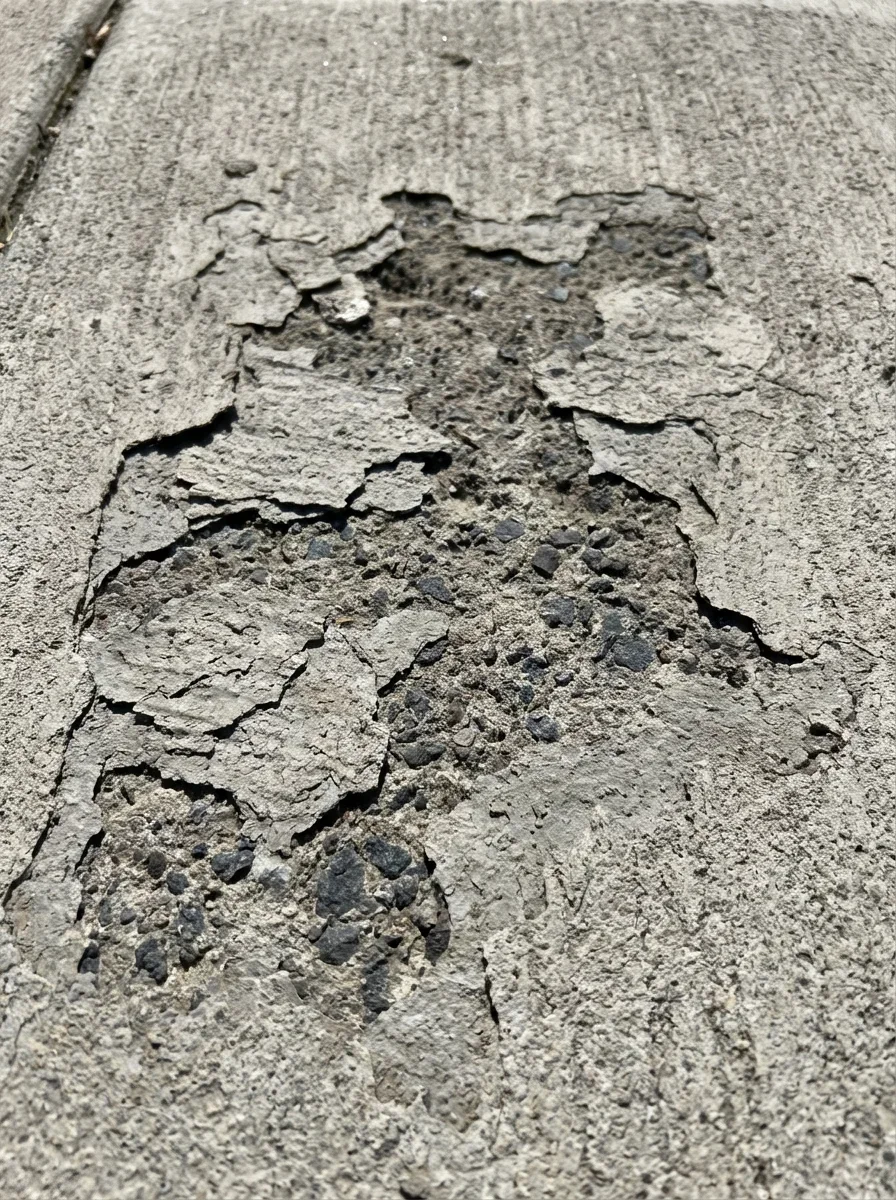
- Old concrete has cracked or settled from poor base prep
- You need a stable surface for grills, furniture, or entertaining
The catch: Wisconsin's 48-inch frost line and freeze-thaw cycles destroy poorly installed patios. You'll see cracking within 2-3 years if the contractor skips proper base compaction or doesn't account for drainage.
Installation matters more than the concrete itself. A 4-6 inch compacted gravel base and proper slope prevent 90% of common patio failures in Wisconsin.
Attached patios (those connected to your foundation) require frost footers in many Wisconsin municipalities. Freestanding patios need strategic control joints every 10-12 feet to manage seasonal expansion. Get this wrong, and you're looking at expensive repairs before the patio's even paid for itself.
What Does a Concrete Patio Cost in Wisconsin?
Here’s what homeowners actually pay for patio installation across the state:
Standard brushed finish costs $8-$15 per square foot installed. This includes excavation, base prep, 4-inch concrete slab, and basic trowel finish. It’s the most durable option for Wisconsin winters — no decorative surface to wear off from freeze-thaw and de-icing salt.
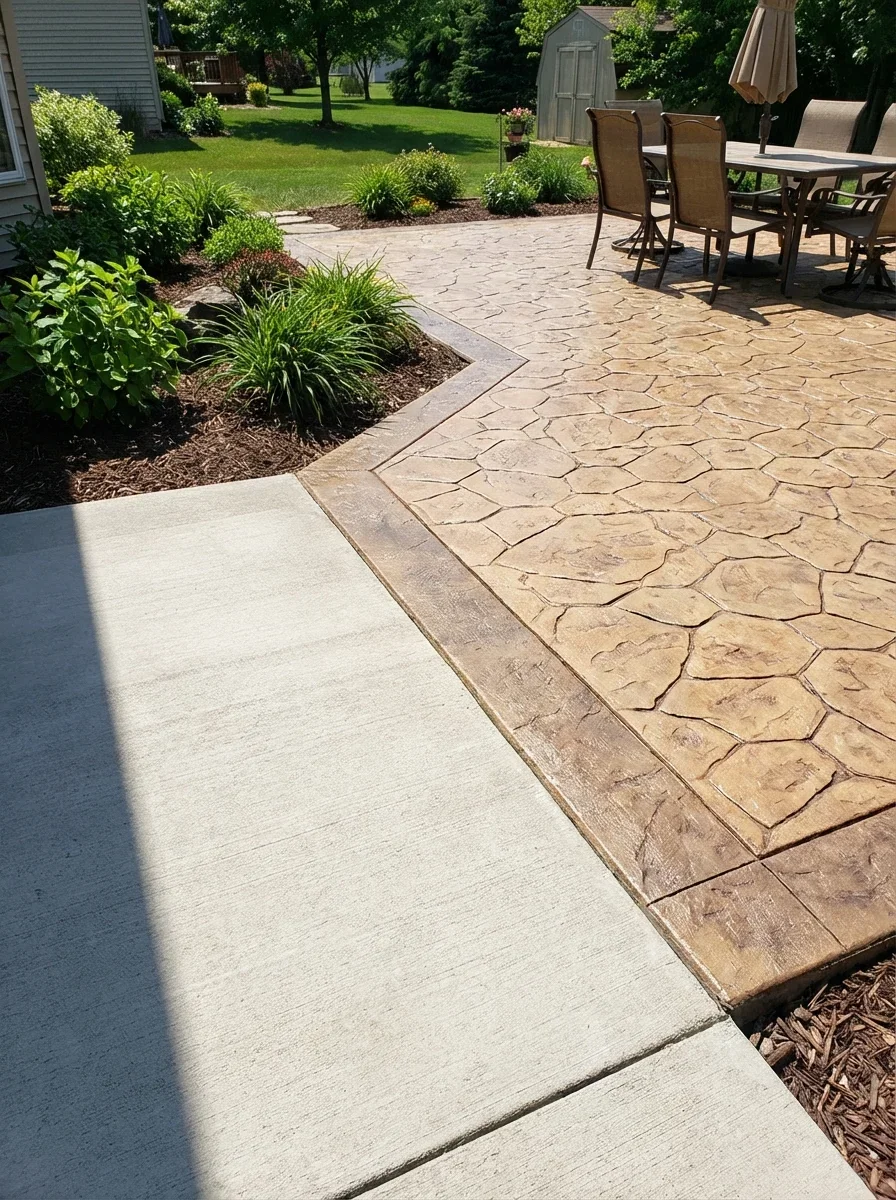
Stamped or colored concrete runs $12-$20 per square foot. You’re paying for additional labor (patterns take 2-3 times longer to finish) and specialty materials. Popular in Oshkosh and Green Bay neighborhoods, but requires resealing every 2-3 years to maintain appearance.
What Drives the Price Up
- Site access: Tight yards requiring wheelbarrow pours vs direct truck access
- Demolition: Removing old concrete adds $2-$4 per square foot
- Poor drainage: Extra base thickness or French drain installation ($500-$1,200)
- Complex shapes: Curves and angles increase forming labor 20-30%
- Attached patios: Frost footers and permits add $800-$1,500 in Madison/Milwaukee
Typical 300-square-foot patio costs $3,000-$4,500 for standard finish, $4,500-$6,000 for stamped. That’s competitive with pavers initially, but concrete requires almost zero maintenance over 20+ years.
Permits run $50-$200 depending on municipality. Attached patios always need permits; freestanding patios under 200 square feet often don’t. Your contractor should verify local requirements.
How Patio Installation Works
A quality patio installation in Wisconsin takes 3-5 days from excavation to final cure. Here’s what actually happens:
Excavation
Day 1Contractor removes 8-12 inches of soil (deeper for poor drainage areas). Most Madison and Milwaukee contractors use laser levels to verify proper slope.
Base Installation & Compaction
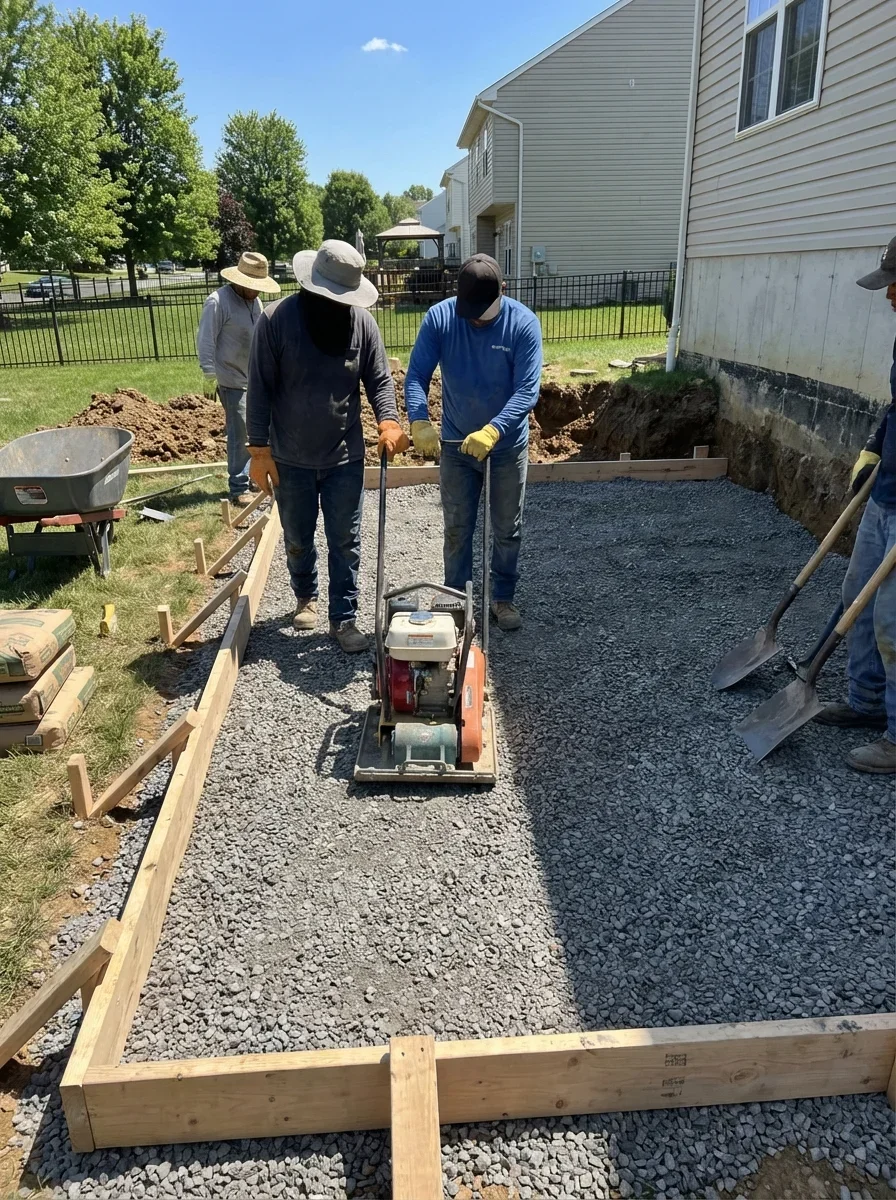
Day 1–24-6 inches of compacted gravel in 2-inch lifts — compaction is everything. 2% slope away from house (¼ inch drop per foot) to prevent water pooling. Appleton and Green Bay crews often add extra base thickness in clay soil areas.
Edge Forms & Reinforcement
Day 2Temporary wood or metal forms set to final patio dimensions. Steel reinforcement mesh placed for the pour.
Pour & Finishing
Day 2–34-inch slab poured with steel mesh placed mid-pour. Troweling, stamping/coloring (if upgraded), and control joint cuts follow. Stamped or colored finishes add 1-2 hours. Control joints cut within 12 hours — these planned “cracks” direct seasonal movement in a grid pattern every 10-12 feet.
Curing
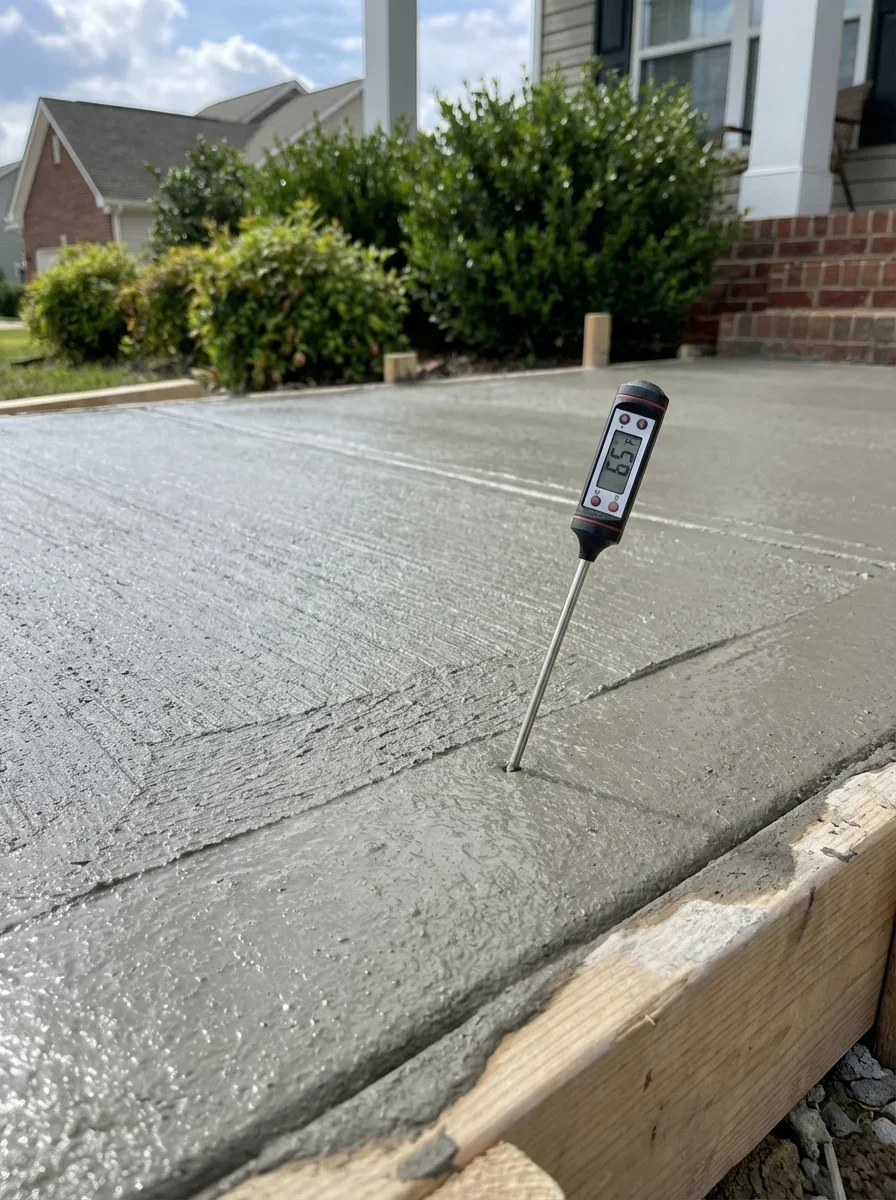
Days 3–28No foot traffic for 24-48 hours. Forms removed after 24 hours. Light use after 7 days, full furniture and heavy use after 28 days at full cure strength.
How to Choose a Patio Contractor
Wisconsin patio installation has real technical requirements — frost protection, proper drainage, base compaction. Here's how to separate qualified contractors from corner-cutters:
Questions to Ask Before Hiring
- "What base thickness do you use and how do you compact it?" — Look for 4-6 inches in 2-inch lifts with plate compaction
- "How do you handle drainage and slope?" — Should mention 2% grade and explain how they'll direct water
- "Do you cut control joints, and where?" — Proper answer: yes, within 12 hours, every 10-12 feet
- "What's your warranty on settling or cracking?" — Quality contractors offer 2-5 years on workmanship
- "How many patio installs have you done in the past year?" — You want someone who does this regularly, not as a side job
- "Will you pull the permit if needed?" — They should know local requirements without asking
Red Flags That Signal Problems
- Quotes significantly below $8/sqft (they're skipping base prep or using thin pours)
- No mention of compaction equipment or base material specifics
- "We don't need permits for this" without checking your municipality
- Can't show photos of completed patios with similar finish
Check their Wisconsin contractor registration and general liability insurance — both are basic requirements. Ask for references from jobs completed 3+ years ago so you can see how the patio's holding up.
Compare at least three contractors focusing on their base prep process and warranty terms, not just price. A $500 savings disappears fast when you're repairing cracks in year two.
Browse Badger Flatwork's directory to find contractors with verified portfolios and customer reviews in your area.
Frequently Asked Questions
The main drawback is cracking—it's not if but when concrete will crack, especially in climates with freeze-thaw cycles like Wisconsin. Other cons include longer curing time, potential for staining, and difficult repairs.